The thrill of uncertainty
The roots of gambling behavior can often be traced back to the human attraction to uncertainty and risk. This psychological phenomenon encapsulates the thrill seekers among us who enjoy the unpredictability that gambling provides. Whether it’s rolling dice, spinning a roulette wheel, or playing cards, the lack of guarantees creates an exhilarating rush. This excitement is often compared to the adrenaline experienced in extreme sports or adventurous activities, where the outcome remains unknown and exhilarating. In Canada, players often explore canadian betting sites as a way to satisfy their thrill-seeking nature while enjoying various forms of entertainment.
This desire for unpredictability is not just limited to the act of gambling itself; it extends into various aspects of life, including entrepreneurship, investing, or even everyday decision-making. People are naturally drawn to situations where outcomes are uncertain, which can lead to suspense and the possibility of reward. This is why games of chance can be so captivating; they tap into our intrinsic desire to explore the unknown, making every play a moment filled with potential. The tension between hope and fear adds to the emotional rollercoaster that many players experience during their gambling endeavors.
Furthermore, research has shown that the brain’s reward pathways are activated when we participate in games of chance. This biological response reinforces the thrill of uncertainty. The anticipation of winning, even if it is fleeting, releases dopamine, creating feelings of pleasure and satisfaction. As a result, players can become captivated by the experience, often returning for more in search of that exhilarating feeling, keeping the cycle of gambling alive. This phenomenon explains why many individuals may find it challenging to resist the call of gambling, even when they are aware of the potential risks involved.
The role of social interaction
Gambling is not merely an individual endeavor; it often serves as a social activity that fosters connections among people. For many, visiting a casino or participating in betting events creates an environment where individuals can engage with friends, family, or even strangers. This social aspect of gambling transforms it into a communal experience, where shared emotions, excitement, and the thrill of the game amplify the enjoyment. The atmosphere of camaraderie that develops in these settings can enhance the overall experience, making it more memorable and enjoyable.
Moreover, social interactions can significantly influence gambling behaviors. Peer pressure, competition, and a sense of camaraderie can motivate individuals to participate more actively. The experience becomes enhanced when people gather for tournaments or on game nights, as the collective anticipation and interactions heighten the emotional stakes of the game. These social dynamics can make gambling more appealing and increase overall participation, contributing to its psychological allure. Interestingly, the desire to be part of a group can sometimes overshadow individual decision-making, leading players to engage in gambling activities they might otherwise avoid.
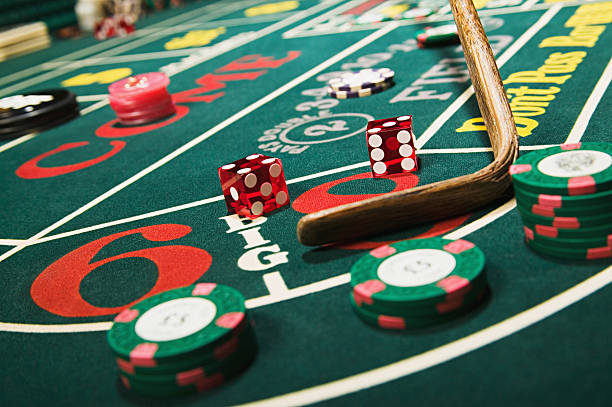
Understanding the social components of gambling can also shed light on the impact it has on relationships. Whether it brings people closer together or creates rifts, the social dimensions are influential. As individuals engage in gambling with others, the shared victories and losses forge bonds that can lead to lasting interactions. Nonetheless, it’s essential to keep in mind that gambling within these social contexts should be approached with caution to prevent negative outcomes. Individuals need to remain aware of their limits and the potential consequences of their gambling behaviors, especially when influenced by social dynamics.
Escape and coping mechanisms
For many individuals, gambling serves as a means of escape from the realities of life. The allure of stepping into another world, where the stresses and responsibilities of daily life fade away, can be highly appealing. This psychological escape is often sought by those facing personal challenges, financial troubles, or emotional distress. The immersive environment of gambling can offer a temporary relief from these pressures, providing a distraction from everyday life. This phenomenon highlights the profound psychological need for individuals to find solace from their problems.
This coping mechanism can be both beneficial and detrimental. While gambling may provide a momentary escape, it can also lead to problematic behaviors when people rely on gambling as their primary means of coping. In some cases, individuals may become trapped in a cycle of chasing losses or seeking that elusive high, leading to a fallout in their personal and financial lives. It’s essential to recognize the fine line between healthy escapism and harmful addiction. Those who use gambling as a coping mechanism may find it increasingly difficult to address their underlying issues, leading to a cycle of reliance on gambling for relief.
Understanding the underlying motivations for gambling can highlight the importance of healthy coping strategies. People who find themselves using gambling as an escape should explore alternative outlets for stress relief, such as engaging in hobbies, exercising, or practicing mindfulness. Recognizing the triggers that lead to gambling can foster healthier decisions, enabling individuals to navigate challenges more effectively without resorting to betting activities. This awareness can empower individuals to seek support and develop healthier habits that address their emotional needs without compromising their well-being.
The influence of marketing and environment
The gambling industry is immensely lucrative, and its marketing strategies play a crucial role in attracting players. Promotional campaigns and advertisements are designed to create an illusion of a glamorous lifestyle associated with gambling. By presenting gambling as a form of entertainment rather than a risk, marketers craft narratives that entice individuals to participate. This marketing often leverages psychological tactics, creating an emotional connection that draws players into the experience. The strategic use of imagery and language can evoke feelings of excitement and aspiration, further encouraging potential gamblers to engage.

Moreover, the environment in which gambling takes place significantly impacts the psychological experience. Casinos and betting establishments are often designed to be visually stimulating, with bright lights, enticing sounds, and engaging atmospheres. These elements work together to elicit strong emotional responses, making it difficult for individuals to resist the urge to gamble. The surroundings are crafted to enhance excitement, reinforcing the idea that gambling is a thrilling activity. This sensory overload can heighten the emotional stakes and create a sense of urgency, compelling individuals to participate more actively.
It’s also essential to highlight the impact of accessibility on gambling behavior. With the rise of online gambling platforms, the convenience factor changes how individuals partake in these activities. The ability to gamble from the comfort of one’s home introduces new dynamics in terms of impulse control and urges. Understanding how marketing and the gambling environment shape psychological experiences can empower individuals to make informed decisions about their gambling habits. As technology continues to evolve, the landscape of gambling will likely change, requiring players to remain vigilant and aware of their behaviors.
Understanding personal limits and moderating gambling behavior
The psychology behind gambling is complex, but it’s crucial for individuals to foster a healthy relationship with it. Understanding one’s limits and moderating behavior is a significant part of responsible gambling. Setting clear boundaries regarding time and financial expenditure can help players maintain control and enjoy gambling as a form of entertainment rather than a potential financial burden. Establishing personal guidelines can empower individuals to make conscious choices that align with their values and goals.
Education plays a vital role in achieving a balanced approach. Many organizations provide resources and support for those who wish to understand gambling better. They encourage responsible gambling practices and promote awareness of potential risks involved. Engaging with such resources can equip individuals with knowledge and strategies essential for developing a safe gambling experience. By fostering an understanding of the psychological aspects of gambling, individuals can better navigate their experiences and make informed choices.
Ultimately, responsible gambling is about striking a balance between enjoyment and caution. Individuals should regularly reassess their motivations for engaging in gambling and ensure it aligns with healthy practices. By being aware of personal triggers and adjusting behaviors accordingly, players can enjoy the thrill of games while safeguarding their overall well-being. This ongoing self-awareness is key to maintaining a responsible approach to gambling, allowing individuals to experience its enjoyment without compromising their mental and financial health.